
Europe: an image in transition

In negotiations on the world's major conflicts, such as those involving Ukraine, Israel or the Sahel region, European countries either no longer have a seat at the negotiating table or are confined to the sidelines. Many political, economic and cultural examples from today show that the global centres of power are shifting – away from Europe. The changing distribution of power means other voices and new perspectives come to the fore, as philosophical and cultural views from Europe are no longer considered to be the global standard. The effects also extend to prevailing views on history and geography.
For more than a year, the Research Training Group "Post-Eurocentric Europe: Narratives of a World Province in Transformation" at the University of Konstanz has been examining how Europe's image of itself is changing as the continent's dominance has dwindled. Since October of 2024, twelve doctoral researchers and a postdoctoral researcher have been part of the interdisciplinary Research Training Group that was awarded funding to the tune of five million euros by the German Research Foundation (DFG) for an initial period of five years. The departments Literature, Art and Media Studies, Law, History and Sociology all contribute to the Research Training Group, whose speaker is Albrecht Koschorke, a professor of modern German literature and literary theory at the University of Konstanz. In autumn of 2026, he will pass the torch to Kirsten Mahlke, a professor of cultural theory and cultural studies methods at the University of Konstanz.
The group's research focuses on the question of how Europe sees itself. "Narratives are very powerful; they shape societies, their understanding of history and even everyday life", explains Philipp Lammers, who coordinates the Research Training Group.
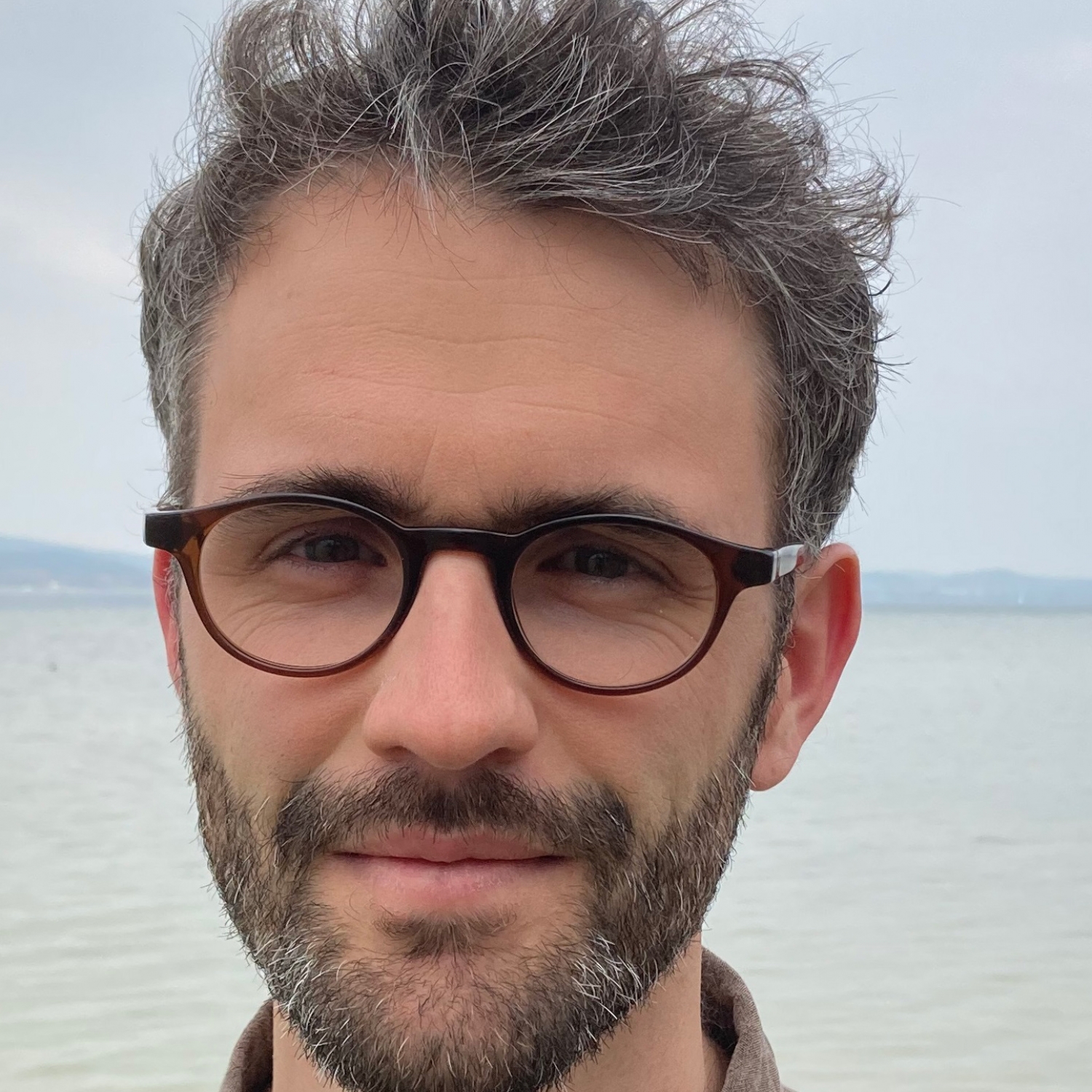
"We want to examine the interplay between narratives and institutions – what are the prevailing narratives, including those about Europe, that have become concrete reality? What other narratives are there? And which other ones could there be?"
Philipp Lammers, coordinator of the Research Training Group
Europe and the New Right
In her doctoral research, literary scholar Sara Kimmich studies how far-right groups view Europe and how the New Right's process of defining Europe takes shape. Her analysis is based on fictional literature, mostly works from the 1990s to the present. "I link my literary analysis with theoretical and strategic texts from the New Right – including, for example, articles from corresponding newspapers as well as texts from online forums, interviews, reviews and, by now, a fairly large number of podcasts and videos. This provides the background information for me to filter out the images of Europe expressed by the New Right in literature", the German scholar explains.
Unlike one would expect, the New Right does not take a uniform, strictly negative stance on Europe; Kimmich discovered: "Europe is an increasingly important topic for the New Right, the more so, the younger people are. I see some really interesting trends that are moving further away from a nationalistic Europe and more towards a unified Europe." However, some developments initially appear to contradict each other:
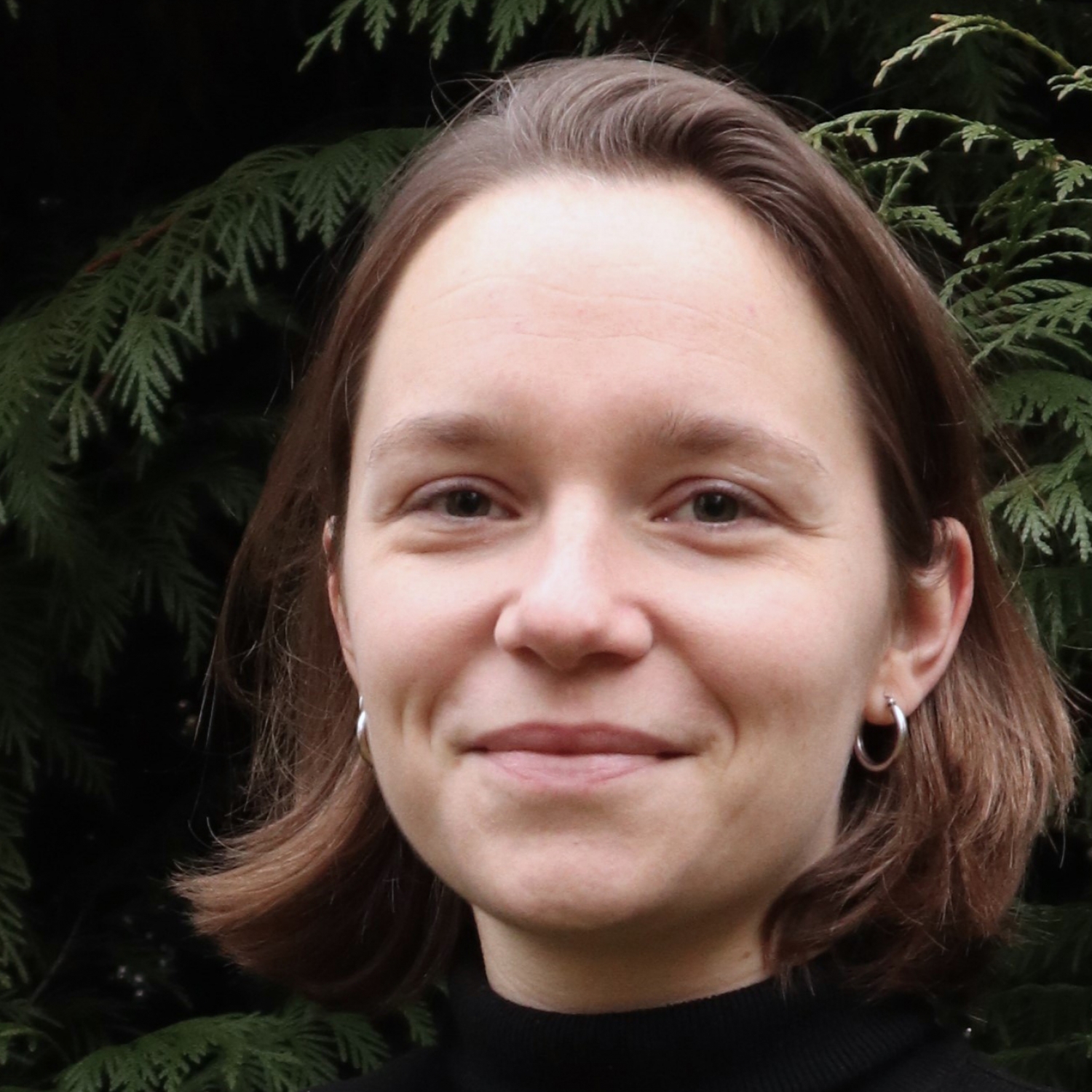
"While we can observe growing radicalization of the New Right in various areas, there has also been a longer-term trend of moving closer to left-wing views on certain topics, which might be an unexpected development for many people."
Literary scholar Sara Kimmich
In a way, her research project represents a counterweight to the focus of the Research Training Group. "Although my project examines the future of Europe and describes a political landscape in transition, I note that the New Right is not focused on overcoming Eurocentricism. The movement wants Europe to be at the forefront." This realization is also part of how Europe sees itself.
Questioning established research standpoints, examining historical perspectives and studying perspectives from countries on the outer borders of Europe are all part of the Research Training Group's programme. Lammers explains, "When the global power balance changes, it's possible to tell different stories: What about places considered to be on the outer edge of Europe, the countries, societies and regions that were never globally dominant? Europe has never been a fixed, uniform idea, and nobody knows exactly where the continent starts and where it ends – our Research Training Group thus also studies the heterogeneity of Europe."
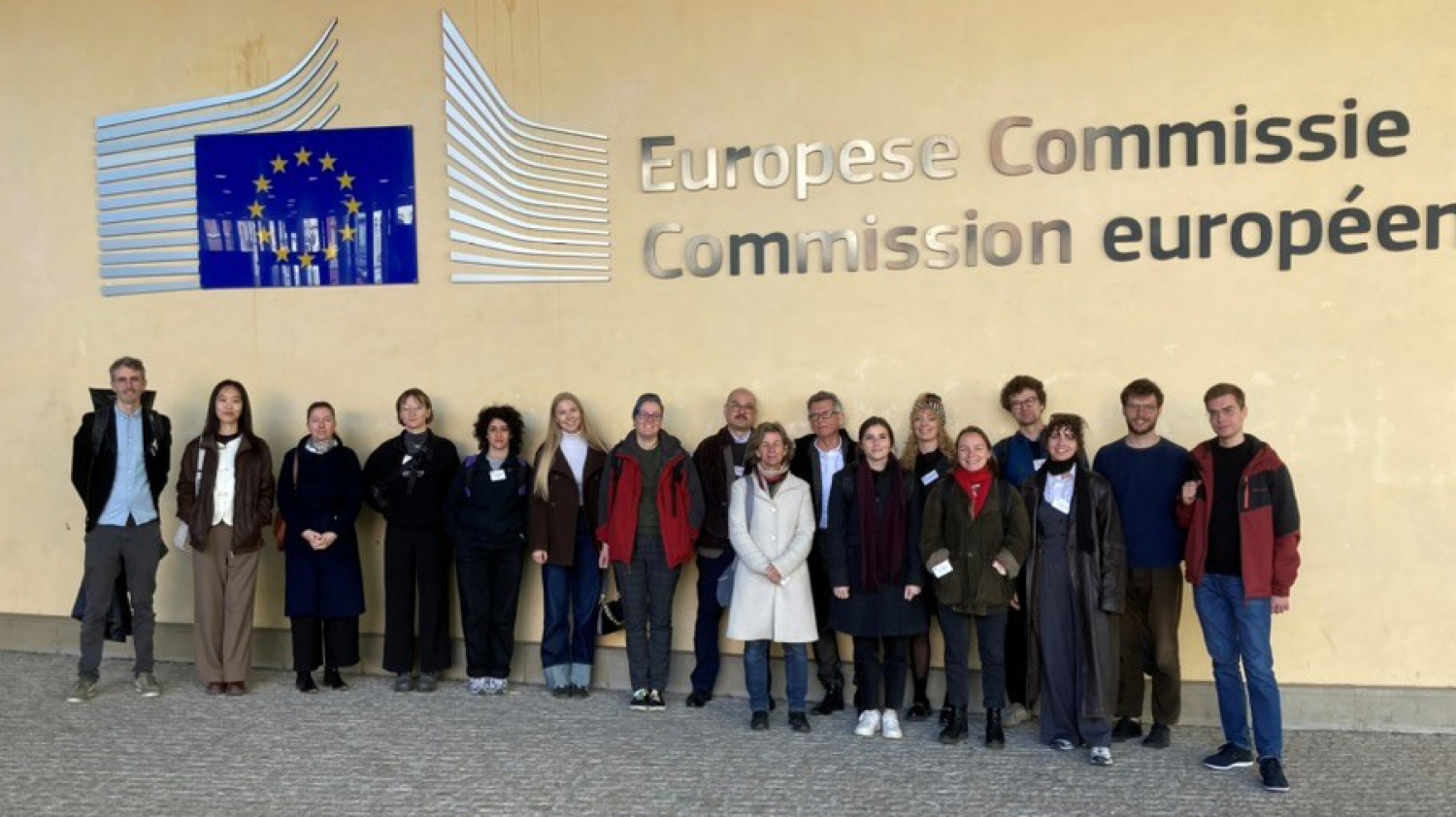
© PrivatThe Research Training Group "Post-Eurocentric Europe" on an excursion to the European Parliament in Brussels.
Independence in connection with Europe?
One such outer region of Europe is the island of Corsica. Part of the Corsican population would like to gain greater autonomy or even total independence from France. Such movements for independence and their multiple connections on an international scale are the research focus of anthropologist Julia Pitzalis: "The argumentation of independence movements in places like Corsica, or even the Basque Country, is that their regions have been colonialized and that they thus face the same types of problems. They think that combining their voices gives them greater power to resist the 'colonial powers' as they see them." These kinds of movements often actively seek a connection to Europe. "Europe serves as part of their plan. This is because, once these regions become independent, they cannot exist in isolation", Pitzalis says.
She collects the empirical data for her analyses mainly through her own field research. Last summer, Pitzalis spent four months engaging in participatory observation on the island of Corsica, including taking part in the Ghjurnate Internaziunale – a major international convention of independence movements that has been taking place since the 1980s. "My method involves attending the event and observing what happens there, what people discuss and which arguments are considered to have particular clout in political debates. Afterwards, I connect my observations to research literature", the anthropologist explains. History also plays a role in her work, especially since her Corsican conversation partners often mention it themselves.
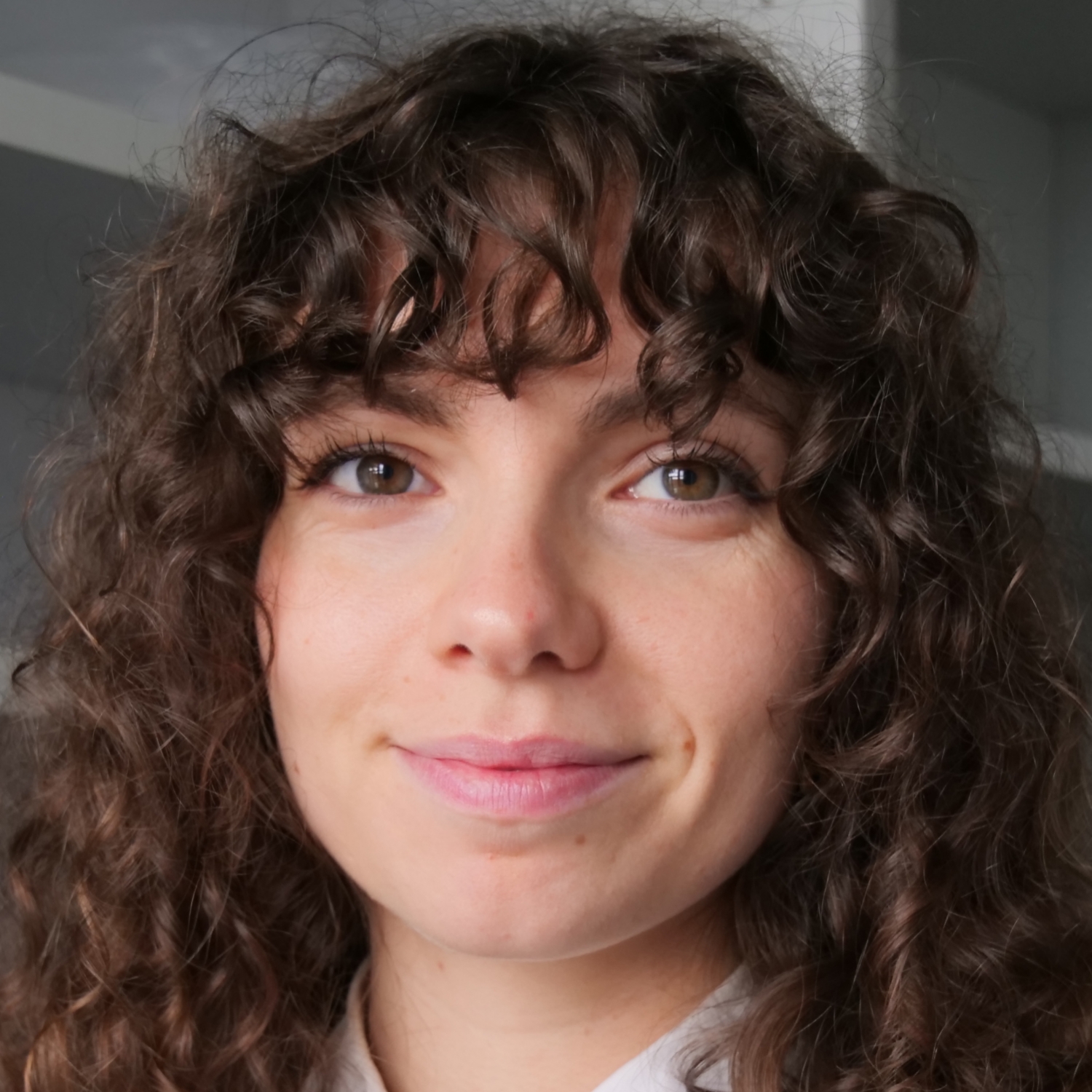
"I am interested in how people tell the story of their island – based on their own experiences, their families' memories and their own research. I link all of this to my own historical research on Corsica", Pitzalis adds.
Anthropologist Julia Pitzalis
The diverse team of researchers from Germany, Russia, China, Egypt and Bangladesh contributes to the Research Training Group's ability to include both internal and external perspectives on Europe. In addition to this, the team in Konstanz collaborates with internation partner institutions such as the University of Cape Town and the University of Pretoria in South Africa, the Jawaharlal Nehru University in India, Columbia University in the US, the Universidad Nacional Autónoma de México as well as the Orient-Institut Istanbul in Turkey.
Copyright Header image: Wikimedia Commons, Nicoguaro, Creative Commons Attribution-Share Alike 4.0 International license, no changes
Copyright images of Kimmich and Lammers: privat
Copyright image of Pitzalis: University of Konstanz, Marion Voigtmann