
In_equality Conference 2026
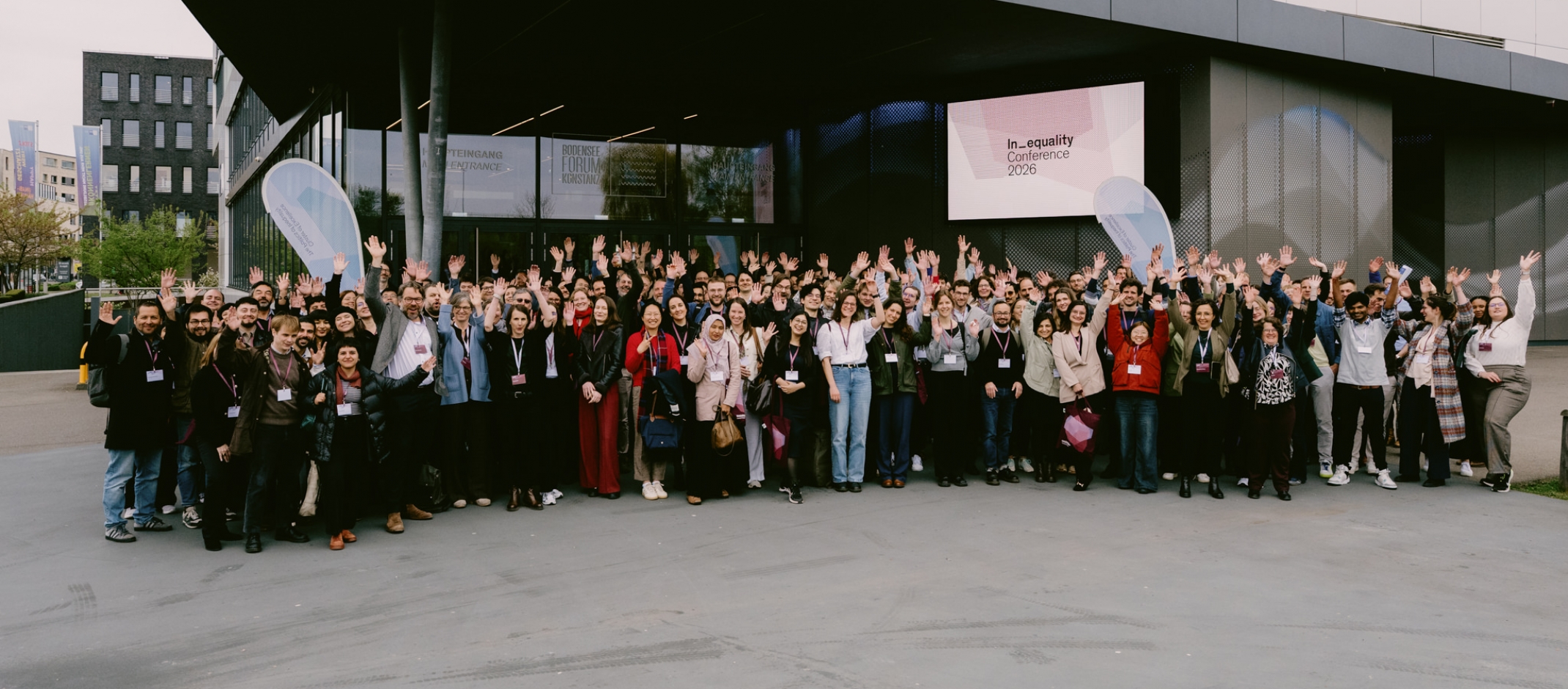
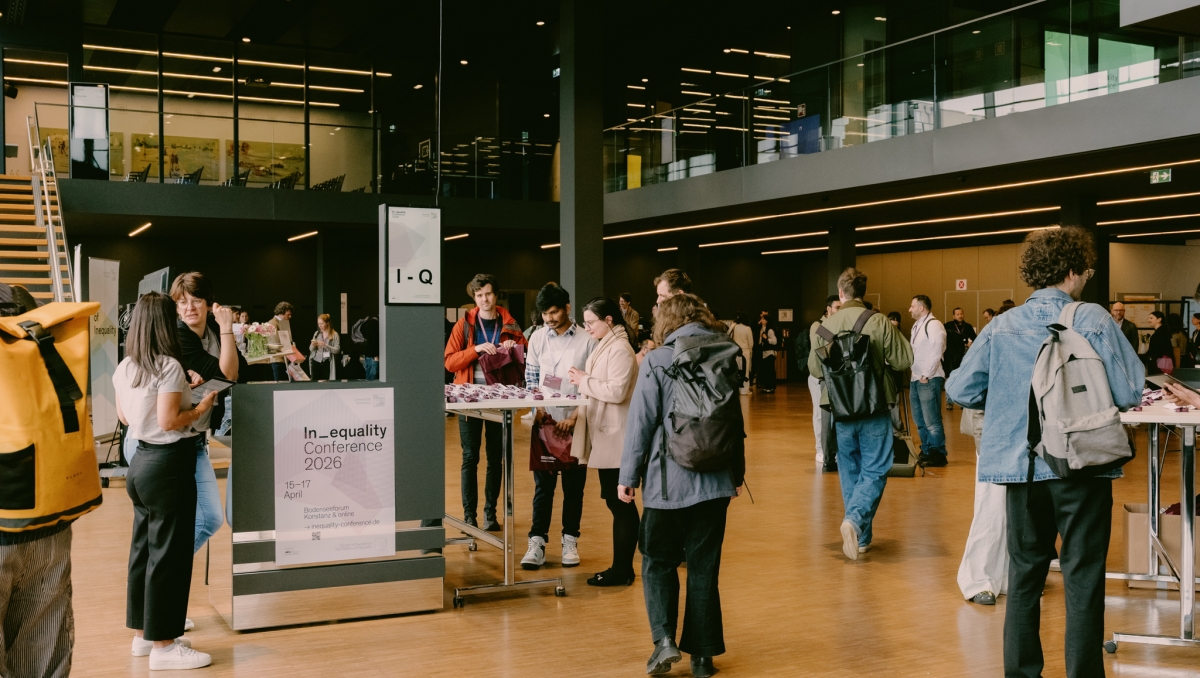
The three-day conference took place at the Bodenseeforum Konstanz and featured a broad programme, including 43 panels with a total of 116 presentations, two panel discussions, several keynotes, poster sessions, and an extensive social programme. All events were also live streamed, allowing nearly 150 online participants to join the more than 230 attendees on site.
One day before the official start of the conference, the “Pre-Conference for Early Career Researchers” offered young scholars opportunities for exchange and professional development. Formats such as the “Idea Labs,” where senior researchers provided feedback, as well as discipline-specific workshops and a session on publication strategies, gave participants practical insights and the opportunity to discuss different aspects of academic career development.
At its core, the In_equality Conference 2026 focused on inequality in areas such as education, labour markets, healthcare, minority rights, and climate change. Within the programme, the four keynote lectures provided important impulses that connected central debates of the conference and shaped many of the subsequent discussions. Silja Häusermann (Professor of Political Science at the University of Zurich) examined how citizens’ dissatisfaction with their own social status influences political demands in advanced capitalist democracies, raising questions about whether social policy promotes inclusion or reinforces segmentation. Jana Diesner (Professor at the Technical University of Munich) drew attention to inequality within academia itself, demonstrating how computational and qualitative methods can be combined to analyse inequalities in institutions, research funding, and research outcomes. Attila Lindner (Professor of Economics at University College London) presented an overview of current research on minimum wages and challenged long-standing assumptions about labour markets. Finally, Merlin Schaeffer (Professor of Sociology at the University of Copenhagen) introduced theoretical and experimental approaches to studying how members of ethnic minorities perceive group-based discrimination.


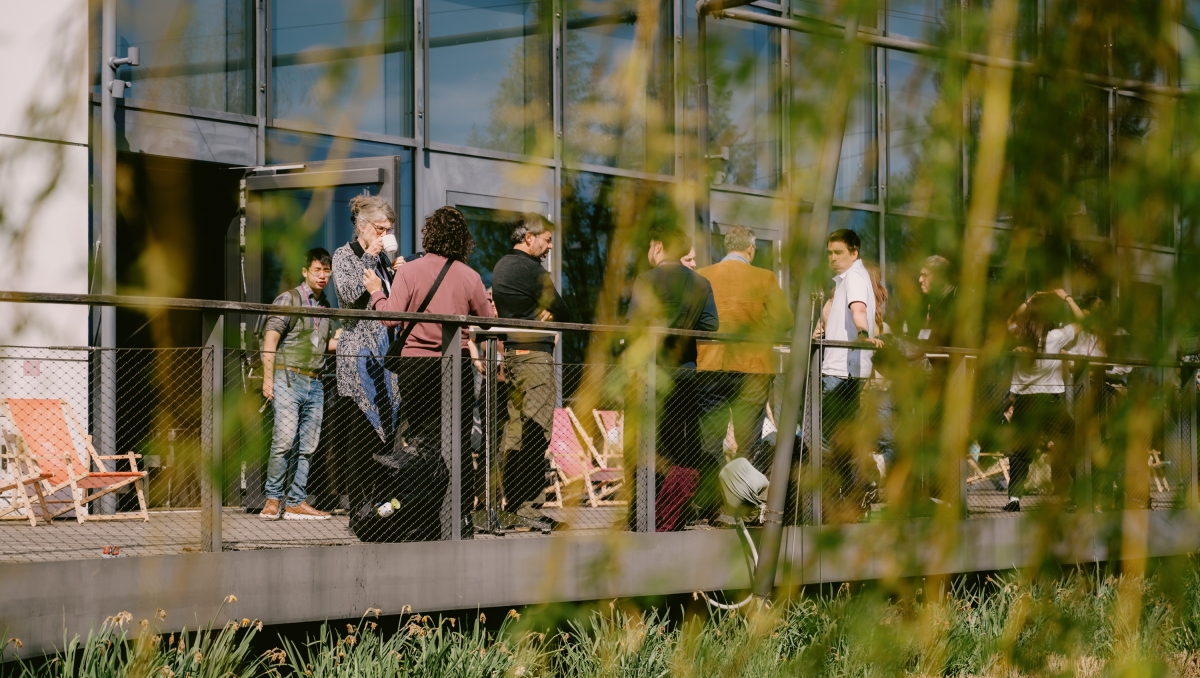


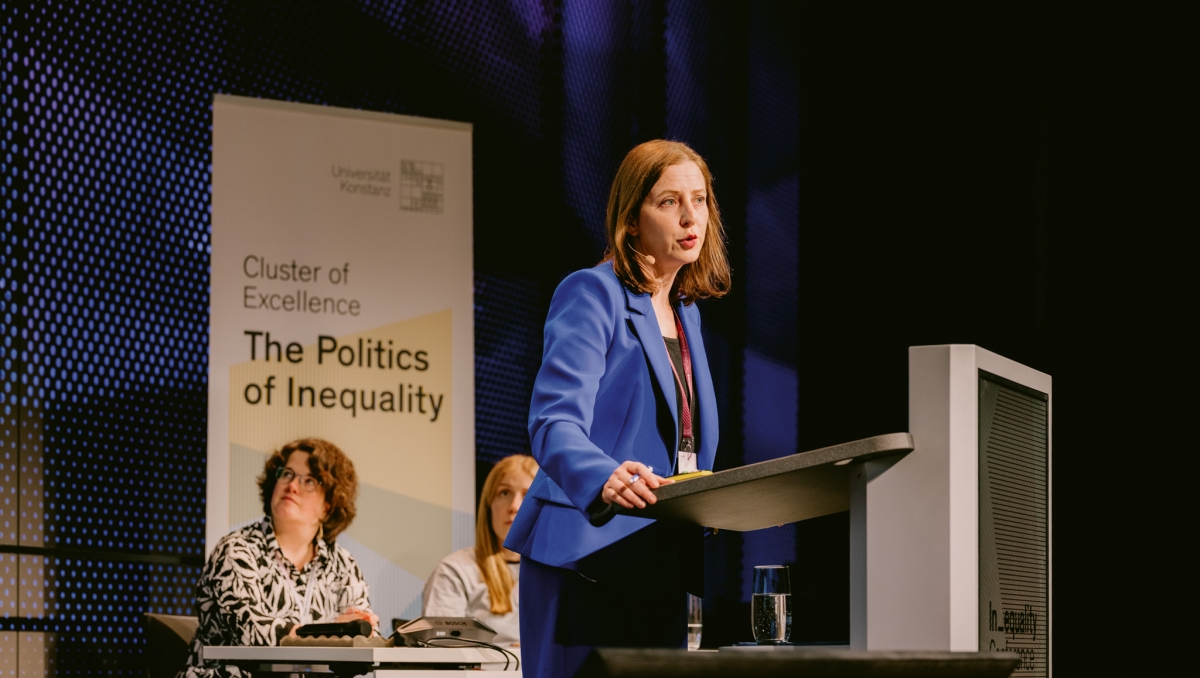

Beyond the keynote lectures, the conference encouraged academic exchange through a range of formats. Moderated panel sessions, discussions, and interactive poster presentations created space for dialogue and new perspectives. One panel discussion explored how artificial intelligence is reshaping the social sciences throughout the research process, while another addressed increasing political pressure on research and its implications for academic freedom. Throughout the conference, the venue’s terrace provided an informal setting for continuing conversations over coffee.
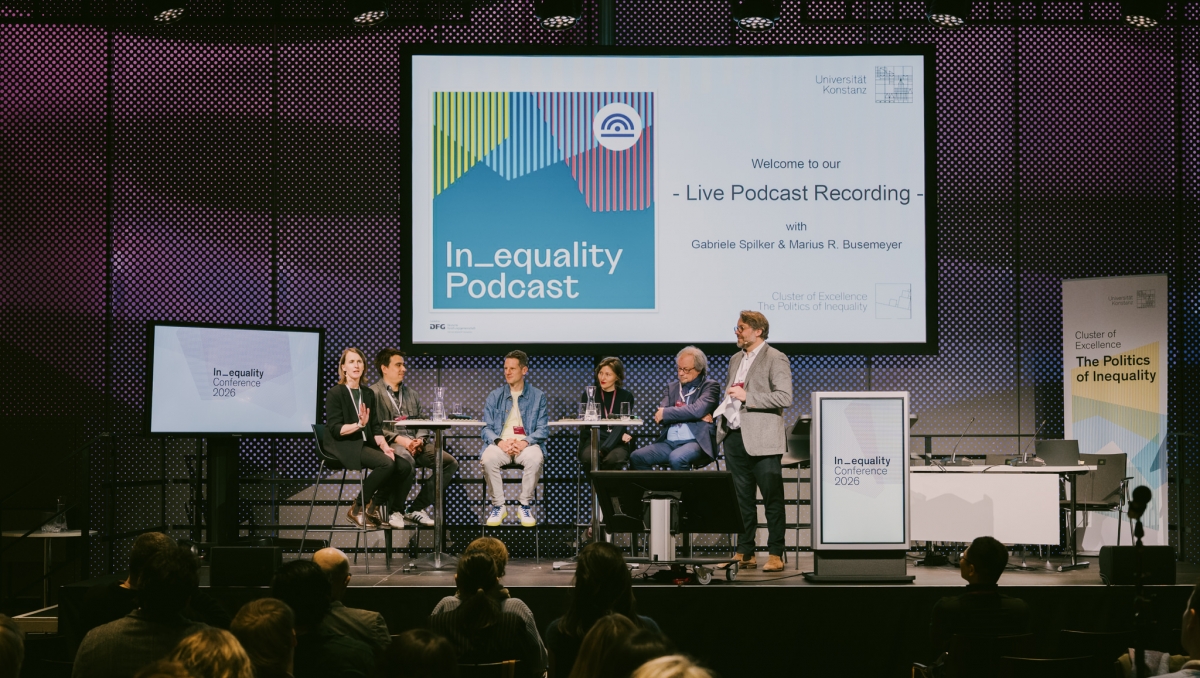
One of the highlights of the conference was the live recording of the In_equality Podcast, hosted by Marius R. Busemeyer and Gabriele Spilker, spokespersons of the Cluster of Excellence “The Politics of Inequality.” Together with colleagues, they presented key findings from the cluster’s first funding phase.
https://www.youtube.com/watch?v=qVO4xh_RUPU
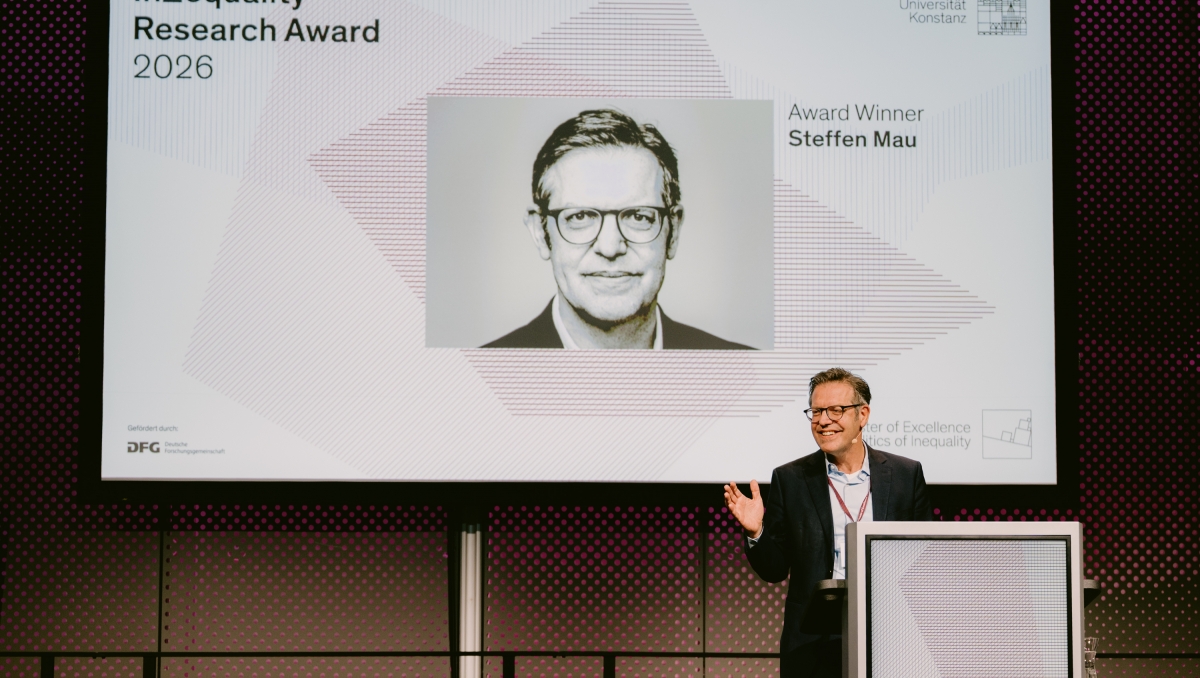
During the conference, the “In_equality Research Award 2026” was presented to Steffen Mau, Professor of Macrosociology at Humboldt University Berlin and Director at the Max Planck Institute for the Study of Societies, in recognition of his research on social inequality, social transformation, and the transfer of academic knowledge into politics and society. The conference concluded with a forward-looking plenary session summarising key themes and outlining perspectives for future research.
The conference’s social programme provided opportunities to step away from the intensive daily schedule. Participants joined a boat tour on Lake Constance departing directly from the venue, passing Mainau Island and prehistoric UNESCO World Heritage sites, offering a chance to experience the region around Konstanz. After several days of discussions on inequality, the “In_equality Club Night” provided an opportunity to continue conversations in a more informal setting late into the evening.